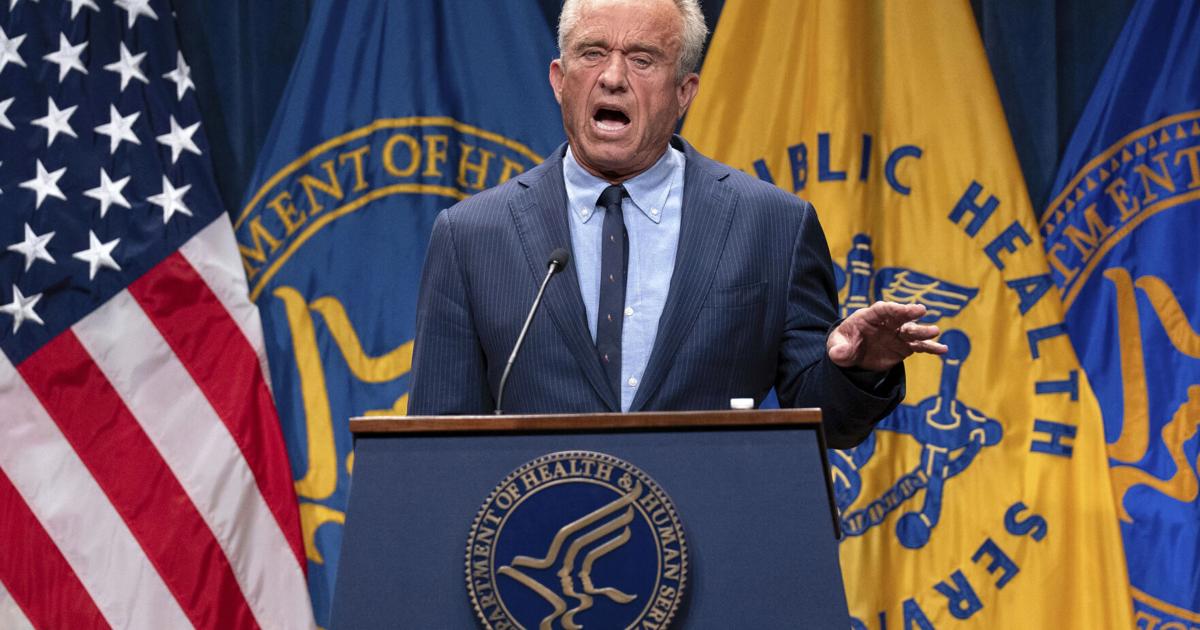
The 'RFK Jr. Advisory Panel', specifically referring to the reconstituted Advisory Committee on Immunization Practices (ACIP) under the leadership of Health Secretary Robert F. Kennedy Jr., is a significant entity in the realm of public health policy.
## What the Organization Does
The ACIP advises the Centers for Disease Control and Prevention (CDC) on vaccine-related issues, providing guidance on immunization policies in the United States. This includes recommendations on vaccine usage, safety, and effectiveness.
## History
Recently, Robert F. Kennedy Jr. has been at the helm of significant changes within the ACIP. He replaced the previous members with new appointees, including several individuals known for their skepticism regarding vaccines, particularly mRNA technologies and COVID-19 vaccines[2][4].
## Key Achievements and Current Status
The new panel has been criticized for its approach, which some argue undermines decades of scientific progress in public health. Despite this, the panel has not recommended drastic changes in vaccine policy but has raised concerns about vaccine safety and efficacy[1]. Notably, the panel voted to limit the availability of a combined measles, mumps, rubella, and varicella vaccine[1].
## Notable Aspects
1. **Composition and Criticism**: The panel includes members with backgrounds in various medical fields, but several have been linked to vaccine skepticism. This composition has led to criticism from the medical community, who fear it may amplify misinformation and undermine public trust in vaccines[2][3].
2. **Policy Discussions**: The panel's agenda has shifted towards topics long debated by vaccine skeptics, such as the preservative thimerosal, which has been linked to debunked claims about autism[3].
3. **Public Health Impact**: The reconstituted ACIP's actions have raised concerns among health professionals about the potential destabilization of public health progress and the erosion of scientific credibility[1][3].